Switzerland's biggest strategic mistake is to focus more on the European Union at precisely the moment its economic weight is declining. Behind the alarmist rhetoric, the figures tell a different story: that of a country already globally oriented, agile and ahead of global shifts. To ignore this dynamic is to risk chaining our future to a model that is losing momentum.
For over twenty years, a silent but profound transformation has been taking place: the Swiss economy is gradually emancipating itself from the European market. And the figures are unequivocal.
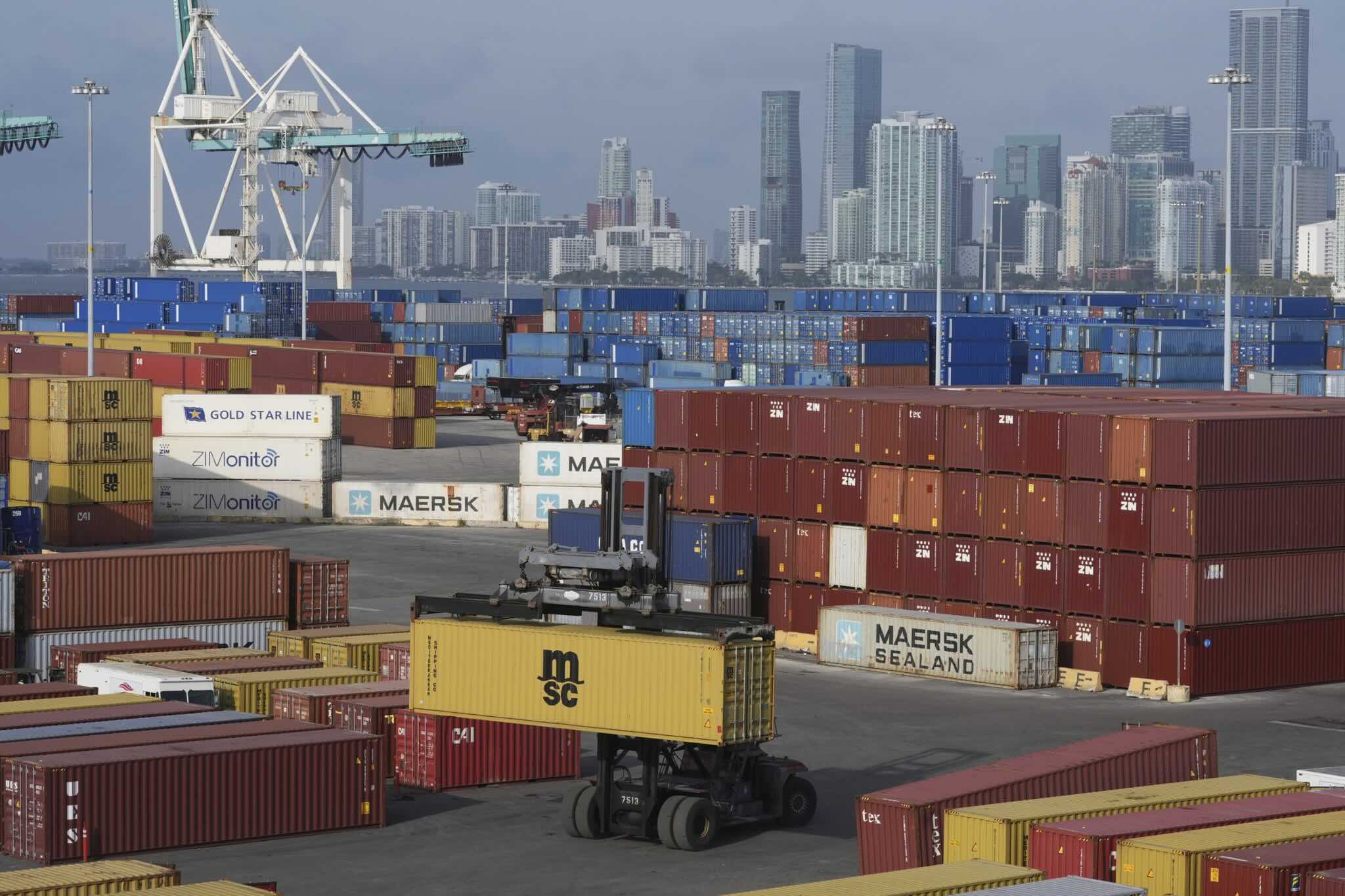
In 2002, the European Union was still absorbing 57,4 % des exportations suisses. Today, that share has fallen to 39,9 %. At the same time, exports to China and India have multiplied by eight, while the United States have become Switzerland's first individual market.
It is not a theory. It is a statistical reality documented by the Federal Statistical Office.
The economic centre of gravity has shifted
According to projections by the Organisation for Economic Co-operation and Development (OECD), more than 90% % of global GDP growth will occur outside the European Union.
In other words:
- Europe is becoming a relatively stagnating market.
- Asia, America and emerging economies are becoming the engines of global growth
As Pascal Lamy, former Director-General of the WTO, already summarised:
«The 21st century will not be European.»
The myth of European dependency
It is often said that Swiss prosperity depends on a strengthened institutional anchor with Brussels.
But the facts tell a different story:
- Switzerland exports massively outside the EU without an institutional framework agreement
- She concludes targeted bilateral agreements without relinquishing legal sovereignty
- It remains one of the world's most competitive economies, according to the World Economic Forum
Conclusion: Swiss success is based on flexibility, not rigid integration.
Economic freedom vs institutional alignment
The framework agreement (or its current variants) raises a fundamental question:
Should foreign law be automatically reviewed, under external supervision, to secure access to a market whose importance is diminishing?
This logic amounts to swapping:
- a freedom of strategic adaptation
- against a binding legal integration
Or, as the economist Friedrich Hayek pointed out:
«Economic freedom is the essential condition for all other freedoms.»
Switzerland needs openness, not alignment
The real challenge is not to cut ourselves off from Europe, but not to become trapped within it.
Switzerland must:
- Speeding up his agreements with growing markets (Asia, America, Middle East).
- Strengthen its role as a global hub
- Preserving its unique model: agility, neutrality, sovereignty
Because in a multipolar world, the ability to pivot is worth more than bloc membership.
Conclusion
Recent economic history is clear:
Switzerland succeeds precisely because it is free.
Focusing more on a slowing market just as the rest of the world is accelerating would be a major strategic mistake.
The real question isn't economic, it's political:
Do we want to remain masters of our destiny… or become followers of a declining model?