
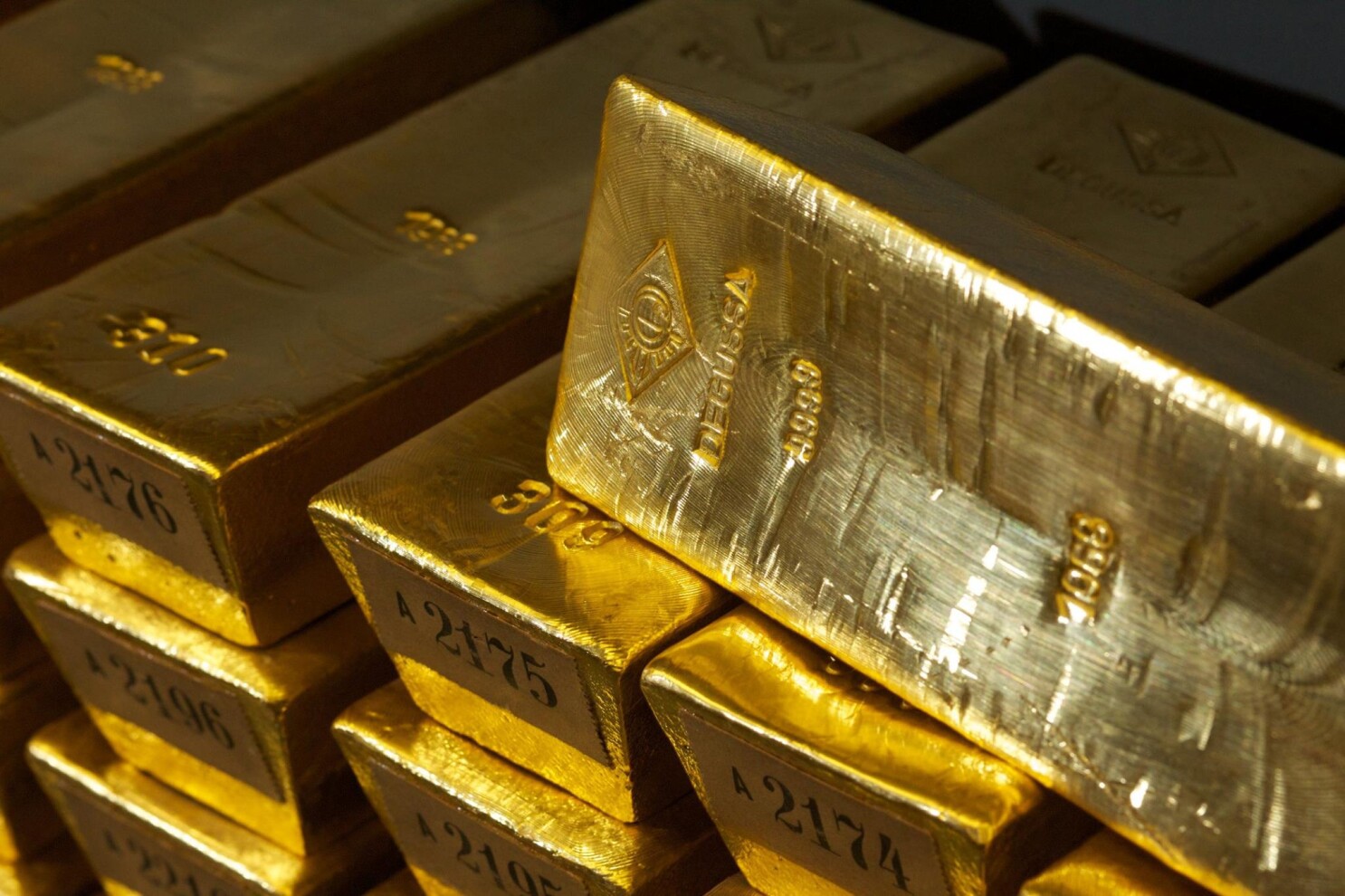
Every time there's a jolt in the price of gold or silver, the same tune plays: «the party's over», «the bubble's bursting», «we have to sell». This reflex is not insignificant. It always arises when the monetary system is showing its most visible cracks. Because behind a one-off fall in metals there is much more at play than a simple market correction: a silent battle between real money and paper money. Understanding this moment means understanding why those who panic lose - and why those who read between the lines strengthen their positions.
Every time there is a correction in precious metals, the same story resurfaces: «the bubble bursts», «the market is turning around», «gold will make a lasting correction».
This narrative is old, tried and tested - and misleading. It serves less to inform than to disarming savers at the very moment when the real value of money is being called into question.
The correction: a tactical scenario, not a turnaround
Yes, a drop short-term is possible. But there's nothing natural about it. Historically, these phases have been orchestrated by a small number of players with tools beyond the reach of the real market: investment banks, hypertrophied derivatives markets, and sometimes tacit collusion with certain central banks.
The objective is simple and brutal: scare people, provoke panic selling, buy at low prices.
In the crude language of trading rooms: shearing sheep.
As the writer Ferdinand Lips, author of Gold Wars :
«The gold market is not a free market. It is managed to preserve the illusion of monetary stability.»
Why this scenario is becoming less and less credible
The mechanism that allowed these manipulations to take place jammed:
- Physical explosion Delivery requests are increasing, while available stocks are shrinking.
- Central bank purchases more than 1,000 tonnes of gold a year for three years - a level unprecedented in modern history.
- Loss of control over the paper market When holders demand the metal, the contract is no longer enough.
Lips summed it up bluntly:
«You can manipulate a paper price for a long time. You can't manipulate physical reality indefinitely.»
Reading the Austrian school: it's not metals that rise, it's currencies that die
For the’Austrian school, the rise in gold is not speculative - it is revealing.
Ludwig von Mises wrote:
«There is no way to avoid the final collapse of a boom caused by credit expansion. The only question is whether the crisis comes sooner through voluntary abandonment, or later through the total collapse of the monetary system.»
Global debt now exceeds 300,000 billion dollars, supported by money creation with no productive counterpart.
In this context, gold and silver are not assets These are bankruptcy barometers.
Money: the most explosive indicator
Silver is the weak link in the system:
- Geological gold/silver ratio ≈ 1 for 15
- Market ratio long maintained well above
- Metal that is both monetary and industrial
- A narrow market unmanageable in the event of a stampede
When money rises violently, it's not an excess: it's a control stall.
And real estate?
Even property, long touted as a safe haven, will not escape the adjustment. Overvalued, dependent on credit, taxed, illiquid, it remains backed by the same decaying fiat currency. Stone protects against moderate inflation - not against monetary dislocation.
Conclusion
A fall in gold or silver is neither a crash nor a reversal.
It is the last reflex of a system out of breath, trying to delay the inevitable.
After each artificial correction, history shows the same thing:
a faster, more violent, more vertical recovery.
Gold and silver promise nothing.
All they are doing is exposing a truth that the system prefers to keep quiet about:
⮕ when money betrays, metal remembers.