Switzerland has never been rich by chance. It became rich because it was able to preserve a rare balance between openness and control, flexibility and security. Today, under the guise of «wage protection», it is this very foundation that is being undermined. Behind a technical measure on redundancies lies a much more profound transformation of our model. If we don't take a clear-eyed look at what's going on, we may well discover too late that what made us strong has been slowly diluted.
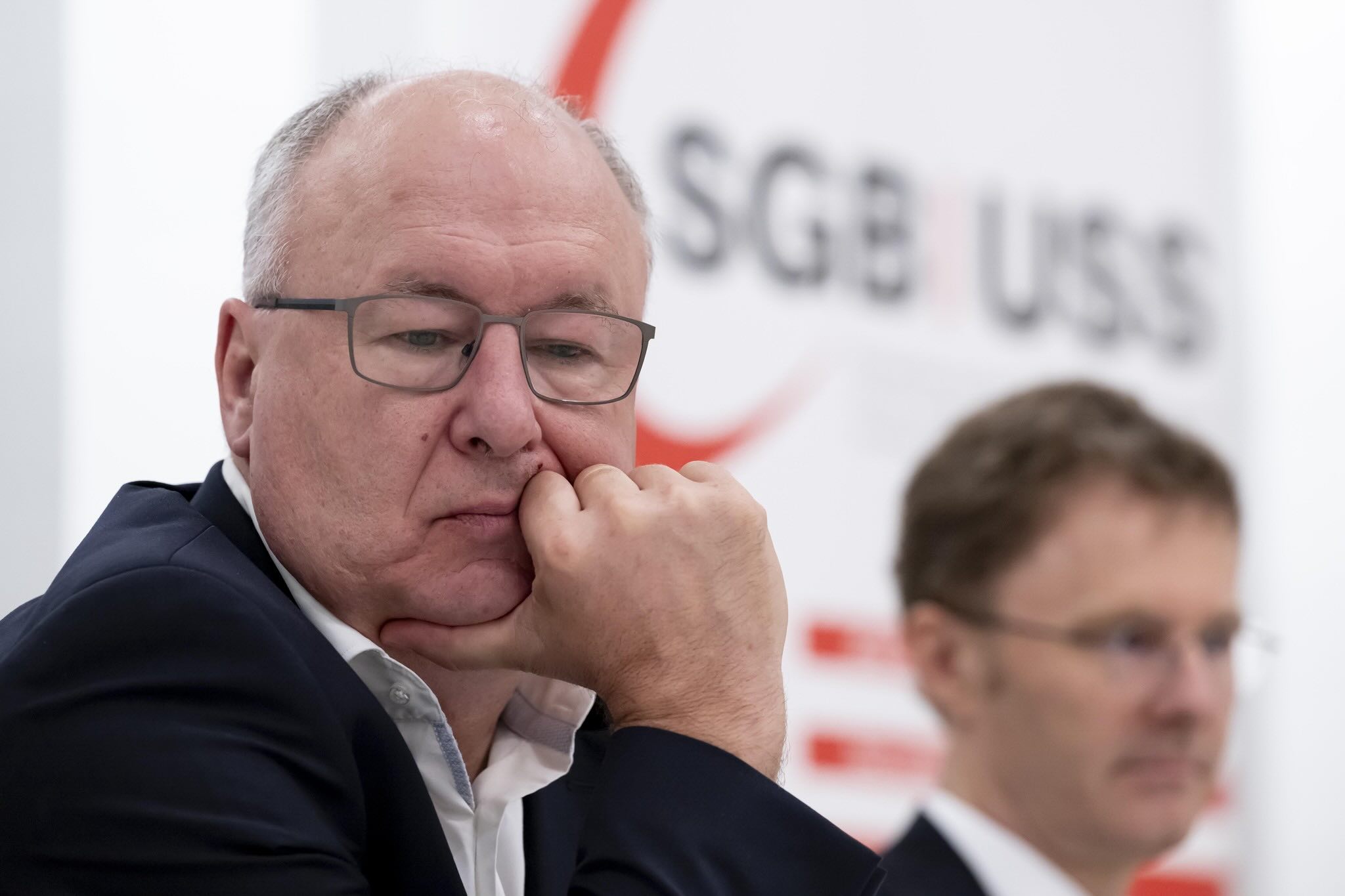
The Federal Council has just adopted a new measure to make certain redundancies more difficult as part of the Switzerland-EU package. Presented as «indispensable», welcomed by Pierre-Yves Maillard's USS and contested by the Swiss Employers' Union, this decision is not insignificant. It reveals a silent transformation of the Swiss model.
Switzerland has never built its success on rigidity. It has built it on three pillars: labour market flexibility, legal certainty and political control of flows.
But these balances are now fragile.
1. Mass immigration: the variable no one dares name
Since the signing of Bilateral Agreements I and II, the Swiss population has grown from around 7.2 million (2002) to over 9 million today. More than 80% of the demographic growth comes from immigration.
The new «framework agreement», renamed «Bilaterals III», further deepens the dynamic integration with European law. In other words: less national leeway to adapt our rules to our reality.
When the labour supply increases structurally, the pressure on wages intensifies. Instead of tackling the cause - the loss of control over migration - we are piling on administrative measures.
2. Minimum wage and inflexibility: symptom of an imbalance
Making redundancies more complex is not neutral. In companies with more than 50 employees (2% of the economic fabric), the penalty can be up to ten months' salary.
This type of system is typical of declining welfare states such as France, where structural unemployment has exceeded 7% for decades. Switzerland, on the other hand, has long maintained unemployment at around 2-3% thanks to contractual flexibility.
Tightening up the labour market means shifting the risk to businesses. And SMEs are the backbone of our prosperity.
3. The illusion of “protection”
The measure is presented as a guarantee of wages in the face of detached European companies. In reality, it alters the internal balance of Swiss law.
Marco Taddei (UPS) describes the process as «bipartisan at best». The employers do not see this as a consensual solution, but as a political concession designed to push through a broader package.
When the Confederation starts to import corporatist thinking, it moves away from its liberal DNA.
4. Currency depreciation and purchasing power
The monetary context cannot be ignored. Since 1971, the end of the dollar's gold peg has led to unprecedented global monetary expansion. The global money supply has exploded, as has debt.
Although the franc remains stronger than most currencies, its real purchasing power is being eroded over the long term against tangible assets.
When inflation rises and demographic growth accelerates, social pressure automatically increases. The chosen response: more supervision, more standards.
5. Revealing political symbolism
The fact that this measure has been approved with the enthusiastic backing of a socialist like Pierre-Yves Maillard is emblematic. The same political forces that defend extensive immigration then propose making the labour market more rigid to cushion its effects.
It's a paradoxical circle: open borders wide, then tighten the economy to manage the tensions created.
The risk
The Swiss model is based on :
- Controlled immigration
- A flexible labour market
- A high level of legal certainty
- A credible currency
- Budgetary responsibility
If all these factors change simultaneously, Switzerland will cease to be a unique case and become a standard European country - with the same structural bottlenecks.
🇨🇭Conclusion
Switzerland's success is not guaranteed by decree. It depends on a subtle balance between openness and sovereignty, protection and freedom.
Tightening up the labour market to compensate for a loss of control over migration is not a solution. It's an admission.
Switzerland has never prospered by copying models in crisis. It has prospered because it has done things differently.